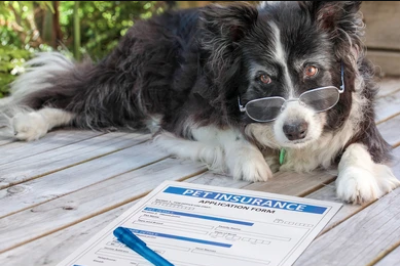
What to Know about Pet Insurance
The pet insurance industry is a growing field. Many pet owners opt to have this coverage on their pets. In the past, pet insurance was more of luxury, but in the modern era of inflation and uncertainties, it could end up helping pet owners significantly. But how does it work? And what plan is best for you?
A good pet insurance policy can help pet owners through both routine care and emergency medicine. In the current 2023 economy, a year of pet care can range anywhere from $500 to $5,000, with the first year costing even more. An emergency visit can cost upwards of $3,000. Pet insurance can help relieve some of this burden.
How does it work? Every policy and provider is different. Factors such as your deductible, premium, co-pay, and vet office will change how much you have to pay and when. Some vets work directly with insurance providers and will only need a co-pay at time of service. Other vets, like ourselves, do not work directly with insurance companies. In this circumstance, the pet owner pays full price at the time of service to the provider. They can then submit their invoice and a copy of their records to the insurance company and receive reimbursement for the costs. It is important to know the details of your plan and how your insurance is processed prior to your appointment so you can allocate the funds necessary at time of service.
What plan should you pick? That's up to you and your pet's needs! The best place to look first is with your home and auto insurance company. Many times, you can bundle them together for a reasonable rate. You can also go to https://www.pawlicy.com/ to learn about different companies that offer pet insurance plans and more about pet insurance in general.
When should you get pet insurance? As soon as possible, if you plan on getting a plan! Getting a policy early is the best way to lock-in a lower rate and avoid any excluded pre-existing conditions. Most policies begin as soon as you pay your first premium.
What are alternatives to pet insurance? One suggested plan is making a savings account for your pet to cover their care needs. The best advice for owners of new puppies, kittens or any new pet is to start a self insurance fund. To accomplish this, you put the money that would have been spent on a pet health insurance premium into a savings account for the pet. Most pet health insurance premiums are $50 - $70 per month, so put that money in the bank! In a year you will have $600 to $840 to draw on for any unexpected pet medical bills that may arise. In two years you will have $1,200 – $1,680! The down side of this plan is there is no money available right away and you have to be disciplined to pay yourself! If you are starting out with a new pet, plan on starting your fund by matching the initial cost of the pet with a contribution to the self insured fund. This overcomes the initial availability problem. The benefits of this plan are that you cannot be turned down by an outside insurance company, you are in control of when and where the money is spent, and, in the end, the money is still yours.
So be ready. Get coverage or start and stick with a self insurance plan. Your pet will thank you and you too will be thankful that you planned ahead.
Pets Most Likely To Need Emergency or Costly Care:
Dogs over 55 lbs.
Dogs that eat anything and everything
Outdoor/free roaming pets
Decide if you need pet insurance and get comparisons of different plans at Pet Insurance University or Pawlicy Advisor
Back to FAQs